Historic Or New Construction Homes In Coral Gables
July 2, 2026
July 2, 2026
Choosing between a historic home and a new construction home in Coral Gables is not just about age. It is about how you want to live, what kind of upkeep you want to manage, and how much you value original character versus modern scale and systems. If you are weighing both options, this guide will help you understand the real differences in layout, design rules, maintenance, and day-to-day ownership in Coral Gables. Let’s dive in.
Coral Gables has one of the most recognizable architectural identities in South Florida. Much of the city was built between 1921 and 1926 under George Merrick’s original vision, and by October 1926 the city had more than 4,000 structures.
That history still shapes the market today. Coral Gables has a formal historic preservation program, a National Register-listed historic district, and design standards that influence both older homes and brand-new ones.
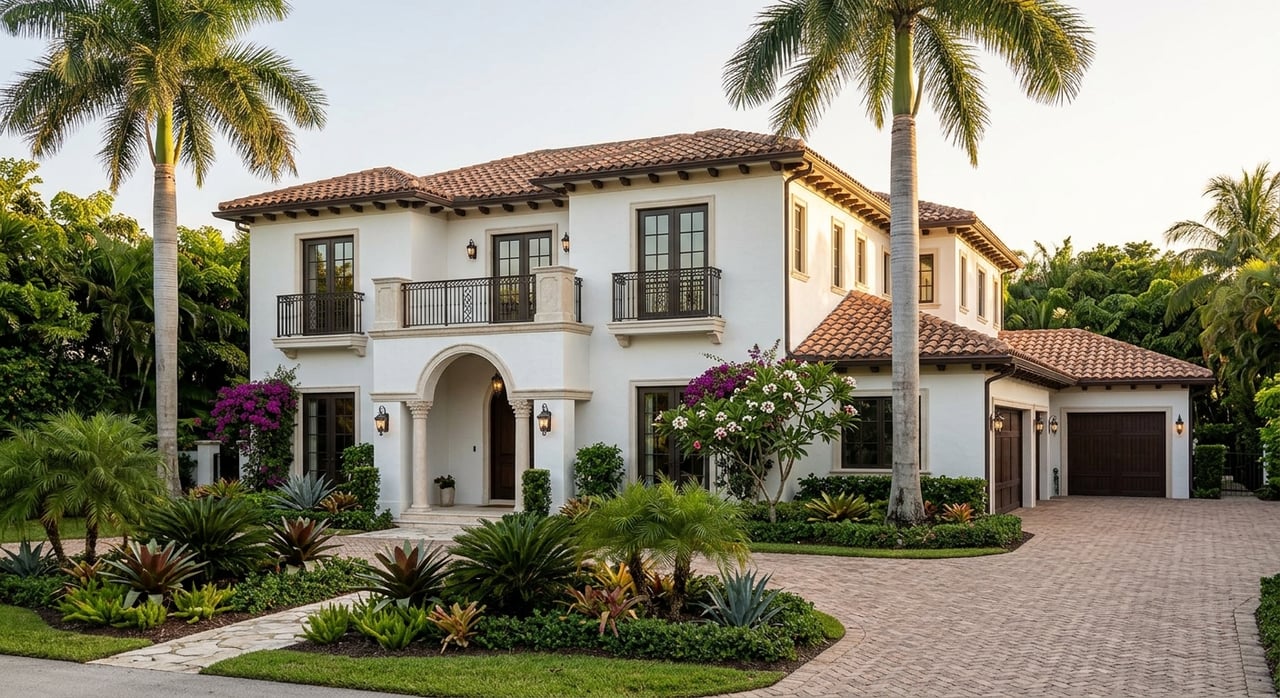
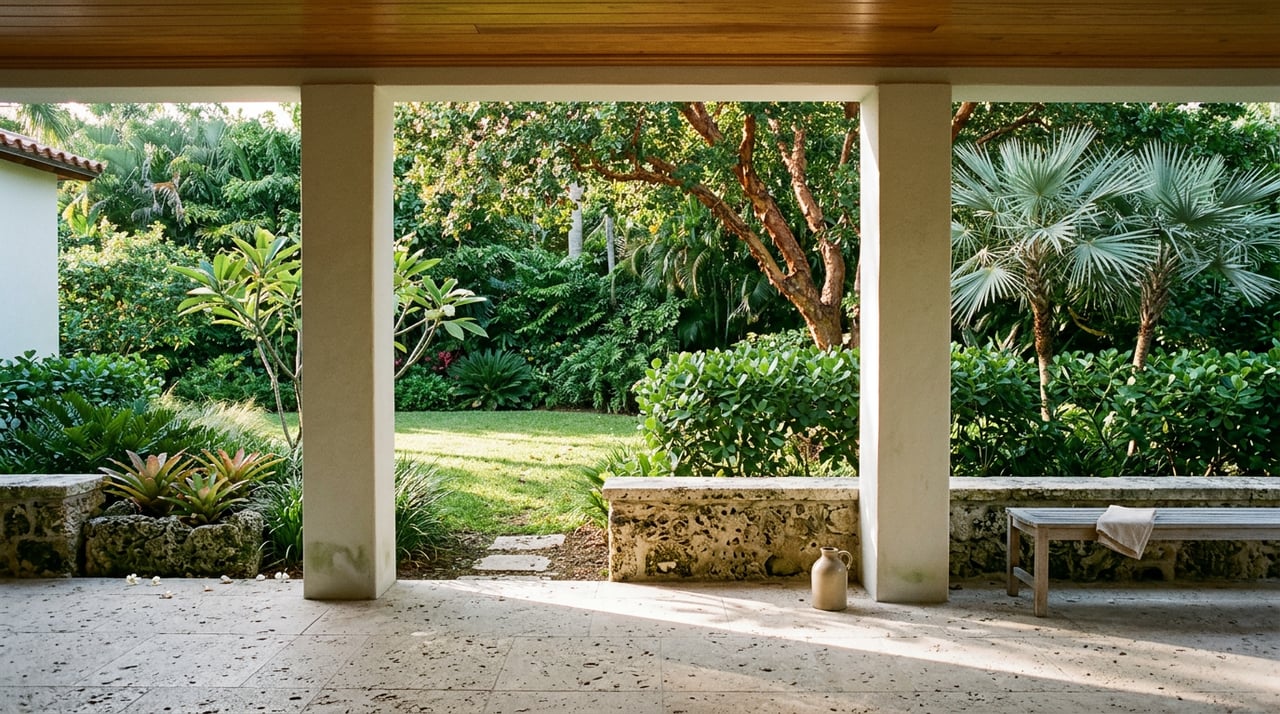
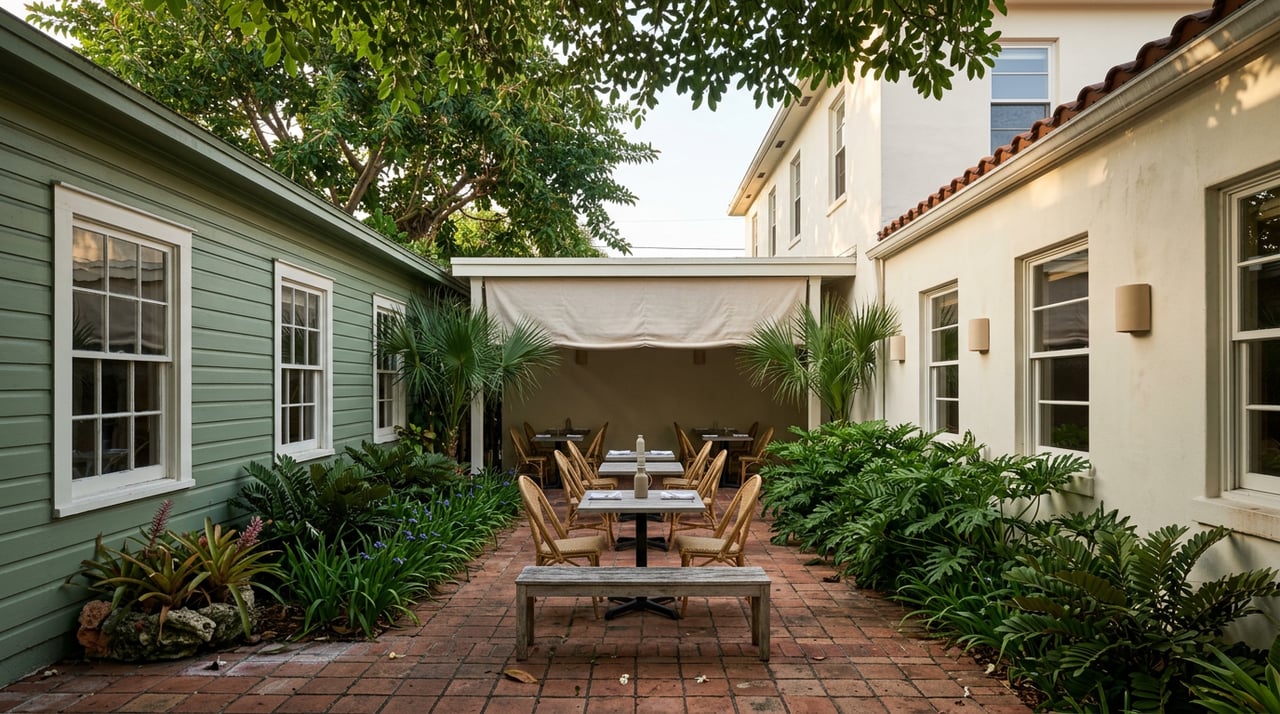
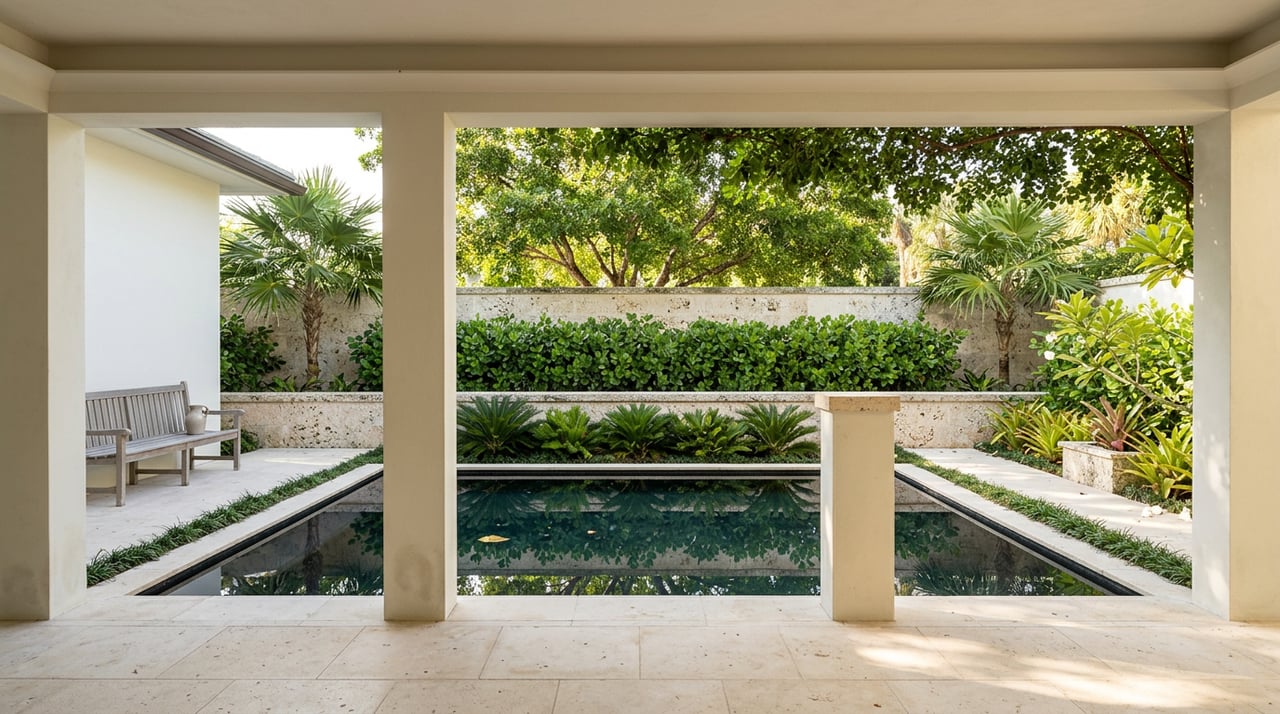
Historic homes in Coral Gables often reflect Mediterranean Revival or Old Spanish design. You will commonly see barrel tile roofs, stucco walls, coral rock or oolitic limestone details, arched openings, loggias, and decorative window and door surrounds.
These homes are a big part of the city’s identity. Landmark properties and civic buildings throughout Coral Gables show how these materials and forms became part of the area’s long-standing architectural character.
Many historic Coral Gables homes have smaller original footprints than newer homes. Public listing examples also show a pattern of more room-defined layouts, rather than large open-concept plans.
That does not mean they are outdated. Many have been carefully updated over time with new roofs, plumbing, electrical systems, HVAC, kitchens, baths, and impact windows or doors.
If a property is designated, most exterior work requires a Certificate of Appropriateness before work begins and before a building permit can be issued. Some routine maintenance may not need this review, and interior remodeling is generally not subject to that process unless tax relief is requested.
The city also notes that designation alone does not increase assessed property taxes. In some cases, qualifying improvements may be eligible for a 10-year ad valorem exemption, which can make preservation-minded renovations more appealing.
New construction in Coral Gables is usually not disconnected from the city’s past. Even brand-new homes are often expected to fit the local architectural language and neighborhood context.
The city’s guidance supports new infill that is compatible with older surroundings rather than a direct copy. That compatibility is judged through factors like scale, roof pitch, materials, height, massing, window types, and the balance between solid walls and openings.
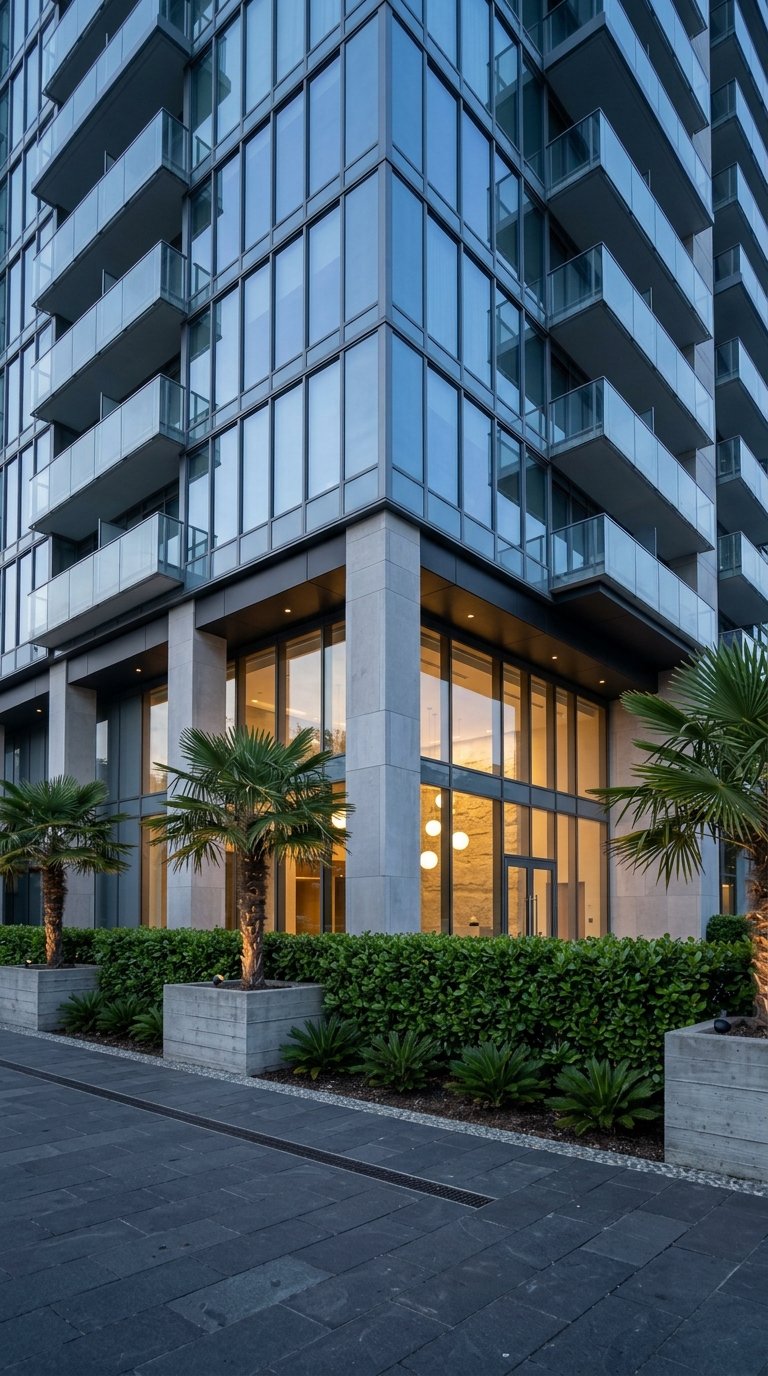
Public listing examples show that new construction homes in Coral Gables are often much larger than the older housing stock. They also tend to be built for contemporary living, with more bedrooms and baths, larger entertaining areas, private studies, multiple family rooms, and stronger indoor-outdoor flow.
If you want more square footage and a layout designed around modern routines, this can be a major advantage. Newer homes also often start with current mechanical systems and impact-rated features already built into the design.
All new construction requires a building permit. Miami-Dade reviews permit applications for compliance with the Florida Building Code, Miami-Dade County Code, and local municipal requirements.
If a project includes demolition, historical-significance determinations may affect whether a demolition permit is granted. For relevant development and demolition submissions, tree surveys and tree-protection plans may also be required.
The biggest difference is not simply old versus new. In Coral Gables, it is often preserved architectural identity versus modern size and systems.
Here is a simple way to compare the two:
| Feature | Historic Homes | New Construction Homes |
|---|---|---|
| Architecture | Mediterranean Revival, Old Spanish, coral rock, arches, original details | Usually designed to be compatible with Coral Gables character |
| Layout | Often smaller, more segmented rooms | Typically larger, more open and programmed for modern living |
| Updates | Often renovated over time | Usually starts with newer systems and finishes |
| Review process | Exterior work on designated properties may need Certificate of Appropriateness | New construction requires permits and may face context and demolition review |
| Maintenance style | More preservation-focused and renovation-driven | More routine upkeep of a newer structure |
In South Florida, resilience matters. Coral Gables and Miami-Dade both operate within the Florida code framework, and permit review checks for compliance with the Florida Building Code, Miami-Dade County Code, and local requirements.
Miami-Dade’s product-approval process focuses on key parts of the building envelope, including windows, exterior glazing, roofing, exterior doors, skylights, siding, and shutters. This matters whether you are buying a renovated historic home or a newly built one.
New construction usually begins at today’s code baseline. That often means stronger energy-efficiency and resilience features are part of the original build, including impact-rated openings and newer HVAC systems.
Historic homes can absolutely be improved, but they often get there through retrofit work. In Coral Gables, many vintage listings already highlight upgrades like new roofs, electrical, plumbing, HVAC, and impact windows or doors.
Coral Gables has a Hurricane Protection Program that waives city permit fees for eligible impact-window and impact-door installations, as long as the products meet Florida Building Code wind-pressure requirements. For buyers comparing properties, that makes storm hardening an important part of both renovation planning and long-term ownership strategy.
The best choice depends on how you want to live and what tradeoffs you are comfortable making. Coral Gables offers two very different ownership experiences, and both can be strong choices when they match your priorities.
In Coral Gables, many buyers end up drawn to a renovated historic home or a thoughtfully designed infill home. That middle option can offer architectural character with meaningful system upgrades, or modern living with design choices that still feel true to the city.
Because Coral Gables places such a strong emphasis on compatibility, the market often rewards homes that balance function and context well.
Before you decide, it helps to look beyond finishes and focus on ownership realities. A beautiful house can feel very different once you factor in approvals, maintenance, and how the layout supports your routine.
As you compare options, ask yourself:
Those answers can quickly make the right path clearer.
If you are exploring Coral Gables, the smartest move is to compare homes through both a lifestyle lens and an ownership lens. The right property is not just the one that looks best online. It is the one that fits how you want to live now and what you want to manage later. If you want local guidance on weighing historic charm against modern convenience in Coral Gables, Martina Kanianska is here to help.
Ready to find your dream home or make a smart investment? Reach out to Martina today! Passion ignites success - Martina’s love for real estate fuels her drive. She doesn’t just sell properties; she creates lasting connections. With Martina by your side, confidence is your greatest asset. Don’t wait, contact Martina now to start your journey towards success!
601 Brickell Key Dr. Miami, FL 33131