Are you comparing Bal Harbour condos and wondering which amenities make daily life smoother versus which ones just add to your monthly dues? You are not alone. In a village known for resort-style living, small service differences can mean big changes to convenience and carrying costs. In this guide, you will learn how to compare amenity packages, what drives fees, how to align choices with your lifestyle, and the exact documents to request before you buy. Let’s dive in.
Bal Harbour amenity baseline
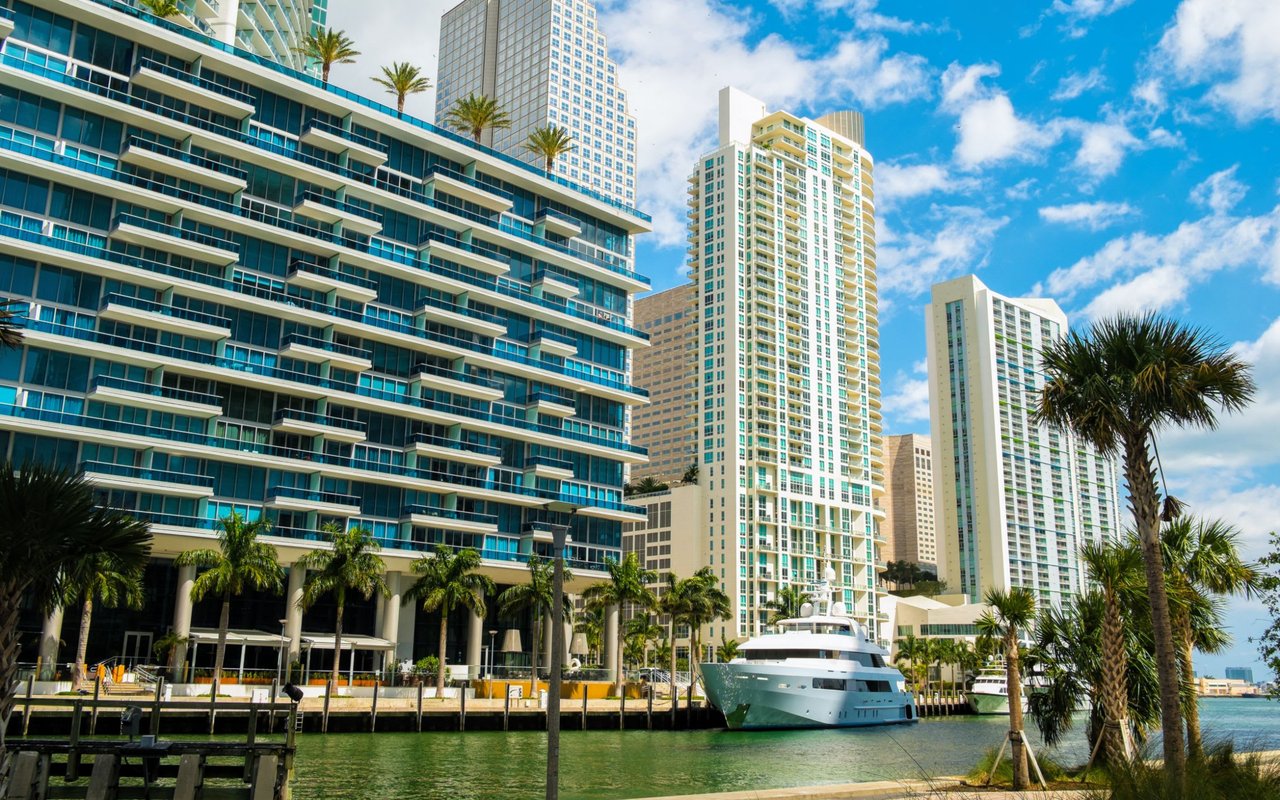
Bal Harbour is a compact, oceanfront village with a reputation for high-service living. Many buildings deliver a hotel-like experience with private beach access, staffed pool and beach programs, full spas, fitness centers, concierge, valet, and on-site dining. That service-first culture sets a higher baseline for amenities compared with many nearby neighborhoods.
For quick context, Bal Harbour is a very small village at the northern tip of the Miami Beach barrier island. Inventory is dominated by oceanfront towers, including branded and full-service residences that attract international and seasonal buyers.
Compare amenities by category
Concierge, door staff and valet
What you will see: Ranges from no front desk, to part-time coverage, to 24/7 concierge and doorman with full valet. Some branded residences also advertise on-call butler services.
Why it matters: Staffing is one of the biggest recurring cost drivers in monthly dues. Ask for staffing rosters by shift, whether team members are association employees or contractors, and how gratuities are handled. Full-time coverage improves day-to-day convenience, but it also means higher payroll, benefits, and overnight scheduling costs.
Pools, decks, cabanas and beach access
What you will see: Single lap pools, or multiple resort pools with adult and family zones. Look for heated pools, private cabanas, lifeguards or attendants, and staffed beach programs with chairs, umbrellas, and food and beverage service.
Why it matters: More pools and beach services add cleaning, chemicals, pump and heater electricity, furniture replacement, and payroll. Industry cost guides place routine pool maintenance in the few-hundred-dollars-per-month range per pool, with total annual ownership costs often rising into the low thousands once electricity, repairs, and equipment are included. See typical ranges in this pool maintenance guide.
Spa, fitness and wellness
What you will see: From a basic gym to a full fitness center with classes and instructors, plus multi-treatment spas and dedicated studio spaces for yoga or Pilates. Branded towers often have larger, staff-operated spas and class schedules.
Why it matters: Class programming and treatment rooms can be fee-for-use, but staffing and specialized equipment increase operating costs. Confirm what is included in dues versus what is pay-per-service.
Security, building systems and tech
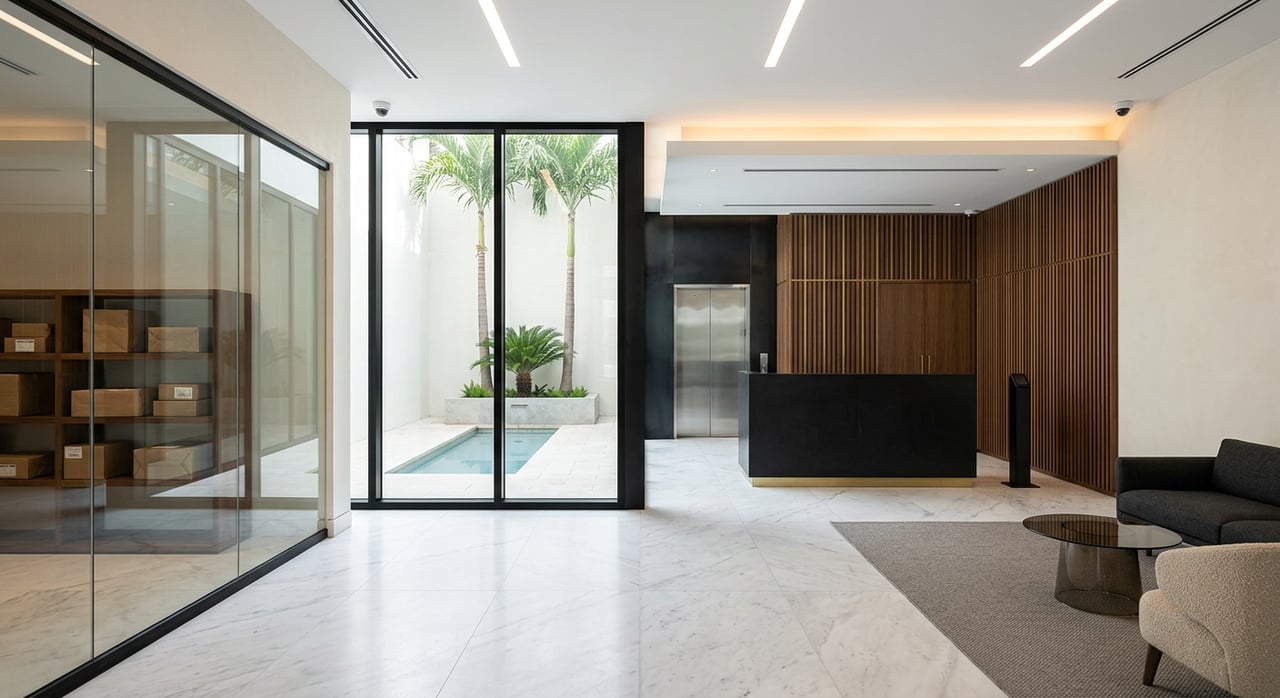
What you will see: 24/7 guards, CCTV and monitored access, visitor registration, key-card or smart-entry elevators, and package rooms.
Why it matters: Security brings payroll, monitoring subscriptions, and capital costs for cameras and access systems. Ask whether monitoring is included in your dues or billed separately.
On-site restaurants, room service and retail
What you will see: Private residents-only restaurants or cafés, pool bars, and in-building retail or salon services. Operators may be independent tenants or run directly by the association.
Why it matters: If a venue underperforms and is subsidized, that support can raise assessments. A well-run third-party operator may offset costs. Request the operator agreement and recent profit and loss details when available.
Guest suites, private elevators, parking and storage
What you will see: Rentable guest suites, private elevator foyers for larger residences, deeded or assigned parking, mechanical lifts, and private storage rooms.
Why it matters: Guest suites can produce revenue, though modest. Parking style affects convenience and value for full-time owners, and private elevators often correlate with larger, higher-service residences and fees.
Pet amenities, kids’ rooms and specialty features
What you will see: Pet grooming rooms, children’s playrooms, private cinemas, and tennis or clay courts.
Why it matters: Specialty features add appeal for specific lifestyles and age groups. They also carry maintenance, replacement, and insurance costs that flow into the operating budget.
How amenities shape monthly fees
Three big drivers tend to move monthly HOA or condo dues in Bal Harbour’s full-service buildings:
- Staff and operations. Salaries, overtime, payroll taxes, and benefits for concierge, valet, security, maintenance, pool and beach attendants, and spa staff are recurring line items. Service intensity closely tracks payroll needs.
- Insurance and liability. Coastal master policy premiums and liability exposure for staffed amenities like pools, gyms, spas, and beach programs are significant and can be volatile. Florida coastal dynamics have pushed many associations to higher premiums and deductibles in recent years.
- Reserves and safety compliance. Florida now requires Structural Integrity Reserve Studies and milestone inspections for many 3-plus-story buildings. Reserve funding for listed structural components generally cannot be waived. Review the state’s guidance in DBPR’s SIRS and milestone FAQs. For a market-level view of how the post-Surfside laws affect condos, see the University of Florida’s overview.
Amenity-specific cost examples
- Pools and beach programs. Cleaning, chemicals, electricity for pumps and heaters, and periodic resurfacing are baseline expenses. Lifeguards and attendants add payroll and insurance. Typical pool maintenance ranges and total annual ownership costs are outlined in this industry guide. In a small association with multiple pools, per-unit impact can be meaningful.
- Spa and fitness operations. Instructor pay, equipment replacement, towels, and supplies recur monthly. Larger, treatment-based spas require licensed professionals and can be subsidized by the association if revenues do not cover costs.
- On-site restaurants and leased retail. If the association subsidizes a venue, that support may appear in the operating budget. A third-party operator paying rent can offset costs, so review contracts and recent financials.
Industry summaries for Miami-Dade luxury towers often cite a wide range of monthly dues, from mid-tier luxury in the hundreds to full-service towers in the low thousands per month and ultra-luxury higher, depending on unit size and services. Always verify current budgets, recent special assessments, and reserve requirements for the specific building you are considering.
Pinpoint your must-haves
Use this quick lens to compare buildings based on how you will actually live:
- Essential daily use: private beach access, pool with attendants, 24/7 concierge and valet, secure entry, reliable package handling.
- Situational plus-ups: guest suites for visitors, private cabanas, children’s playroom, on-site café.
- Luxury extras: full-service spa with treatment rooms, tennis courts, private cinema, art-curated common spaces.
Tip: Rank each building on what you will use three to five times per week, what you will use monthly, and what you may use seasonally. Align the fee level with your real usage.
Quick building snapshots
- Oceana Bal Harbour. Multiple oceanfront pools, tennis courts, curated art, pet grooming, and private beach service. Expect higher recurring costs tied to multiple pools, beach staffing, and specialty facilities.
- St. Regis Residences Bal Harbour. Branded concierge and butler-style services, a full spa, fitness programming, and resort-level pool and beach services. Anticipate strong staffing intensity and spa operations reflected in dues.
- Ritz-Carlton and One Bal Harbour. Five-star hotel-caliber services with concierge, valet, spa access, and beach programs. Service depth is a hallmark, which typically correlates with premium monthly assessments.
Due diligence checklist for Bal Harbour buyers
Before you shortlist a building, request and review:
Essential documents
- Current year operating budget with line items and comparisons to prior years. Clarify what portion funds staffing, beach programs, utilities, and insurance.
- Most recent reserve study or SIRS and any milestone inspection reports, who performed them, and the funding plan. Review state guidance in DBPR’s FAQs.
- Insurance master policy summary with wind and flood deductibles, plus recent premium history. Confirm your required HO-6 coverage scope.
- Board minutes for the last 12 to 24 months, including special assessments, vendor contracts, and any litigation.
- Operator agreements and recent P&L statements for restaurants, beach clubs, or spa operators. Ask directly about subsidies or guaranteed minimums.
Operational and lifestyle questions
- What are the hours and staffing levels for concierge, valet, pool, and beach? Are staff employees or contracted? Can you see the roster by shift?
- How is beach access deeded and operated? If a third party is involved, who pays for dune management and beach maintenance?
- Are cabanas included in dues or rented? How are maintenance and replacement costs budgeted?
- Does the building allow short-term rentals? How does that affect amenity usage and insurance underwriting?
- Have there been recent or pending assessments? For what projects, on what schedule, and with which contractor bids?
For general reserve planning context, you can also review this overview from Community Associations Institute.
Bal Harbour vs nearby options
- Bal Harbour. Luxury oceanfront towers with high-service, branded residences and private beach programs. Expect service-intensive operations and corresponding dues.
- Surfside. A mix of boutique mid-rises and oceanfront towers. Some buildings are full-service, but many offer a quieter, more modest profile with wider fee variation by property.
- Bay Harbor Islands. Smaller associations, more low-rise and bayfront living, and typically fewer hotel-level amenities. Often attractive if you prefer a village feel and lower recurring costs.
Wherever you look, apply the same due diligence on staffing, insurance, reserves, and recent assessments.
Your next step
Choosing the right Bal Harbour condo is about matching lifestyle to service level and budget, then verifying the numbers. If you want help narrowing options, comparing budgets line by line, and touring buildings that fit your everyday routine, reach out to Martina Kanianska for a focused, boutique consultation.
FAQs
What amenities are standard in Bal Harbour condos?
- Many buildings offer private beach access, resort-style pools, concierge and valet, fitness centers, and often a spa, though specifics vary by tower.
How do amenities affect HOA fees in Bal Harbour?
- Staffing for concierge, valet, security, pools, and spas is a major driver, followed by insurance costs and required reserve funding based on building regulations.
What should I review in a Bal Harbour condo budget before buying?
- Ask for the current operating budget, the latest reserve or SIRS report, insurance master policy details, and board minutes that show assessments or large contracts.
How do Florida’s SIRS and milestone rules impact buyers in coastal condos?
- These rules require studies and funding for key components, which can increase reserve contributions and assessments; review DBPR’s FAQs for details.
Are Surfside or Bay Harbor Islands better if I want lower fees?
- Often, yes; smaller or less service-intensive buildings in Surfside or Bay Harbor Islands may carry lower dues, but confirm building-by-building budgets and reserves.
What questions should I ask about beach access at a Bal Harbour building?
- Clarify how access is deeded, who operates the beach program, what services are included, and how maintenance and replenishment are funded.