Bal Harbour Bayfront vs Oceanfront Living Guide
January 15, 2026
January 15, 2026
Torn between sunrise-facing ocean waves and sunset views over calm bay waters? In Bal Harbour, both sides promise luxury waterfront living, yet they deliver very different day-to-day experiences. You want the right match for your lifestyle, budget, and long-term value. This guide compares views, boating and beach access, wind and weather, noise, insurance, fees, and resale so you can choose with confidence. Let’s dive in.
Bal Harbour sits on the east coast of Miami-Dade, between Surfside to the south and the Haulover area to the north. Most residences are luxury high-rise condos along Collins Avenue, with two main waterfront options. Oceanfront buildings face the Atlantic and Bal Harbour’s managed beach. Bayfront buildings face Biscayne Bay and the Indian Creek waterway on the village’s west side or nearby islands.
If boating is part of your lifestyle, know that the nearest major ocean access is Haulover Inlet, just north of Bal Harbour. Slip availability, depth, and dock ownership vary by building, so you should confirm details for each property rather than assume.
Oceanfront stacks often deliver wide, uninterrupted Atlantic views and bright sunrise light. Higher floors usually capture the longest horizons. On lower floors, planted dunes or beach vegetation can limit sightlines, so floor level and stack matter.
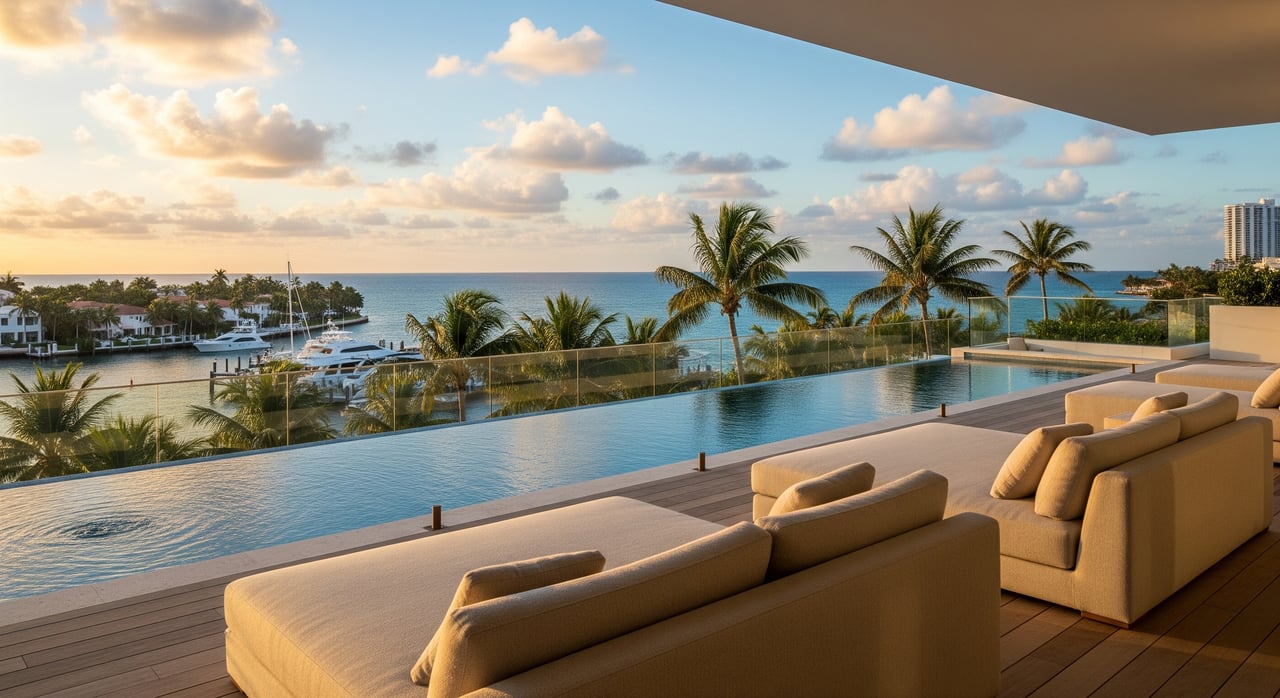
Bayfront units emphasize water activity, marinas, and warm sunset light. Channels can be narrower, and nearby development may frame the view. The experience often feels calmer and more sheltered, with strong golden-hour light in the afternoon.
In any tower, stack refers to a vertical column of identical floor plans. Orientation determines views and sun. A high-floor west-facing bay stack can outshine a low east-facing ocean stack if dunes obscure the lower view. Always evaluate the exact orientation and floor for the real picture.
Bayfront and Indian Creek properties are more likely to offer practical boating features such as private docks, slips, and quick access to the Intracoastal and Haulover Inlet. Verify whether slips are owned, assigned, or rented, and check slip length, depth, and any bridge clearances that affect your boat.
Oceanfront living means direct access to Bal Harbour’s beach for swimming, walking, and sunbathing. You will not usually find private deep-water slips on the ocean side. Many residents treat the oceanfront as a classic beach lifestyle anchored by sand, surf, and a simple walk down to the shoreline.
Oceanfront locations receive direct ocean breezes and more exposure to easterly winds. This can feel refreshing and can also increase salt-air corrosion on exterior components. Bayfront properties are generally more sheltered, though channels can funnel afternoon winds. Both sides share a tropical maritime climate with hurricane exposure, so building maintenance and storm preparedness are essential on either waterfront.
Oceanfront buildings can be closer to Collins Avenue activity and public beachgoers. Surf noise is usually ambient. Bayfront settings may feel quieter from a pedestrian standpoint, but boat engines and marina operations can add periodic noise, especially on weekends and holidays. The right choice depends on whether you prefer beach energy or a boating vibe.
Both oceanfront and bayfront properties are in coastal flood zones where flood risk and windstorm exposure are real factors. Flood insurance and windstorm coverage are common considerations in Miami-Dade coastal areas. Premiums depend on flood zone, elevation, and specific building characteristics. It is wise to review association master policies, unit-level HO-6 needs, and hurricane deductibles.
For due diligence, check FEMA flood maps and elevation data, and review association documents for coverage and deductibles. When you need deeper context, the FEMA Flood Map Service Center and the National Flood Insurance Program are helpful resources, and local professionals can provide current quotes.
Association fees vary more by building profile than by ocean vs bay alone. Amenities, staffing, reserves, and the age and complexity of systems all drive costs. That said, each side has typical cost drivers worth noting.
Oceanfront buildings may budget more for corrosion mitigation and storm preparation. In some cases, associations participate in dune or beach-related work where applicable. Façade, exterior metal, and ocean-exposed systems often need vigilant maintenance.
Bayfront buildings that maintain docks and seawalls budget for marina infrastructure, dredging, and shoreline repairs. Slip management, insurance for marine assets, and seawall condition can influence both fees and special assessments.
East-facing stacks on the ocean catch sunrise and sea views. West-facing stacks on the bay capture sunsets and boats. Corner stacks can deliver dual exposures and cross-breezes. Lower floors on the ocean may sit behind dunes, while higher floors on either side usually gain better views.
Northern Bal Harbour sits closer to Haulover Inlet, which boaters may value for quick ocean access. Southern Bal Harbour borders Surfside and can feel closer to dining and everyday conveniences in that direction.
Some oceanfront towers sit a short walk from Bal Harbour Shops, while bayfront buildings may be one or two blocks farther depending on the site plan. If you want daily walkability to retail and restaurants, micro-location along Collins Avenue matters.
Oceanfront views of the open Atlantic tend to carry broad, timeless appeal and often command a premium. Bayfront and Indian Creek properties attract buyers who prioritize boating, privacy, and sheltered water views. On either side, resale depends on the building’s reputation, reserves, amenities, and the specifics of your unit’s stack, floor, and orientation. Current premiums vary with the market, so recent comparable sales are key.
Whether you buy for sunrise surf or sunset sails, the best choice comes from clear priorities and strong due diligence. If you want a curated list of Bal Harbour options by waterfront type, stack, and floor, along with slip details, HOA insights, flood zone info, and proximity to Bal Harbour Shops and Haulover Inlet, reach out to Martina Kanianska. Let’s connect and tailor your search to the life you want.
Ready to find your dream home or make a smart investment? Reach out to Martina today! Passion ignites success - Martina’s love for real estate fuels her drive. She doesn’t just sell properties; she creates lasting connections. With Martina by your side, confidence is your greatest asset. Don’t wait, contact Martina now to start your journey towards success!
601 Brickell Key Dr. Miami, FL 33131