Thinking about buying or selling a condo in Miami Beach and hearing a lot about recertification? You are not alone. Building safety checks have become a key part of the conversation, and understanding them helps you protect your budget and your timeline. In this guide, you will learn what Miami‑Dade condo recertification means, how it affects Miami Beach buildings, what it can cost, and how to navigate a purchase or sale with confidence. Let’s dive in.
What recertification means
Recertification is a mandated inspection and engineering evaluation that confirms a building is safe for continued occupancy. The inspection looks at structural elements, the building envelope, roof and waterproofing, parking structures, and life‑safety and electrical systems where required.
In Miami‑Dade, many older multi‑story buildings must complete an initial recertification when they reach a milestone age, commonly reported at 40 years, and repeat at set intervals, commonly every 10 years. Exact rules can vary by building type and local ordinance, so you should verify the specific requirement for your building with Miami‑Dade County and the City of Miami Beach.
Why it matters in Miami Beach
Coastal conditions in Miami Beach put extra stress on buildings. Salt air, humidity, wind, and storm exposure can accelerate wear on concrete, steel, and waterproofing. After the 2021 Surfside collapse, state and local authorities increased focus on early and thorough inspections. That means more attention to enforcement, clear timelines for repairs, and better planning by associations for major work.
Who is responsible
In a condominium, the association is responsible for arranging and paying for the inspection and any required common‑element repairs. The board must act on the engineer’s findings and follow municipal or county deadlines for filing reports and completing work. If reserves are not sufficient, the association typically funds repairs through special assessments and, in some cases, loans.
Timelines and rules to verify
Miami‑Dade County maintains an established building recertification program. Some municipalities apply additional processes or documentation. Miami Beach may have local submittal requirements or earlier timelines for near‑shore buildings.
Here is what to confirm for a specific condo building:
- The milestone age, whether the initial inspection is due or completed, and the next due date.
- Which building types and heights are covered under current rules.
- Required forms, whether a licensed structural engineer or architect must certify, and the repair deadlines after a report.
- Whether temporary occupancy restrictions could apply if serious hazards are identified.
What gets inspected
An experienced structural engineer or qualified firm typically evaluates:
- Primary structural systems such as columns, beams, and slabs.
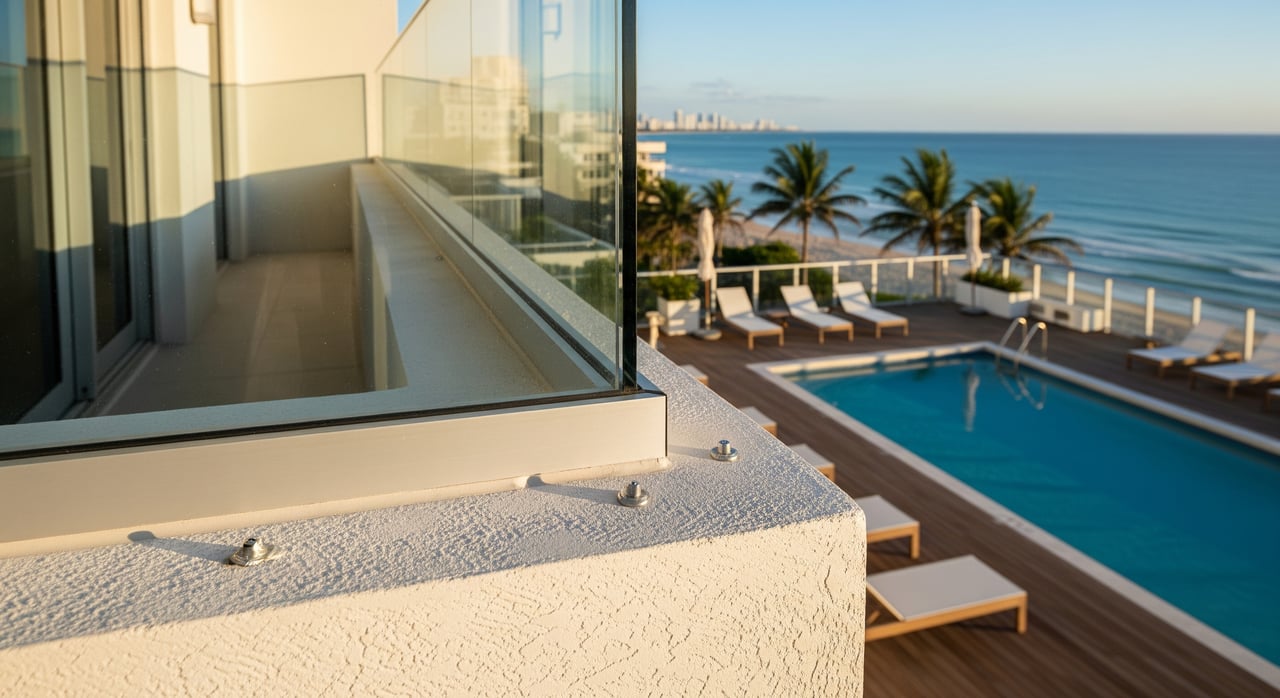
- Exterior envelope conditions including stucco, concrete spalling, balcony connections, and façade elements.
- Parking structures and any elevated pool or deck structures.
- Roof systems and waterproofing details.
- Electrical and life‑safety systems where the jurisdiction requires it.
Deliverables usually include a written report with findings, a prioritized list of required repairs, recommended timelines, and, if needed, plans or specifications for the work. The jurisdiction sets deadlines for repairs and may require proof of completion signed and sealed by a licensed professional.
Cost and who pays
The association pays for inspections and repairs to common elements. If reserves do not cover the work, owners are typically charged through special assessments or association loans.
Typical cost ranges depend on building size and scope:
- Inspection and reporting by a licensed engineer can range from the low thousands into the tens of thousands of dollars for larger buildings.
- Repairs vary widely. Localized concrete patching or minor waterproofing may be modest, while full envelope remediation, balcony or garage structural repairs, or comprehensive waterproofing can reach hundreds of thousands to millions of dollars for the building. Per‑unit costs have ranged from a few thousand dollars to tens of thousands, depending on the building and severity.
- Soft costs include engineering design, permits, bid administration, temporary shoring, contractor mobilization, and contingency, often 10 to 25 percent.
Always obtain building‑specific engineering estimates and contractor bids. Two similar buildings can have very different needs and costs.
How it affects financing, insurance, and value
Significant findings or underfunded reserves can influence your sale price and your ability to finance. Lenders may scrutinize buildings with recent recertification issues or large deferred maintenance. Some loans require certain safety items to be resolved before closing. Insurance renewals and premiums can also be affected by inspection findings and documented building condition.
What to review before you buy in Miami Beach
Ask for documentation early and build time into your contract to review it. Focus on:
- Most recent recertification report and any engineering scopes or specifications for repairs.
- Current budget, reserve study, and financial statements, including reserve balances.
- Board meeting minutes for the last 12 to 24 months to spot repair discussions or planned assessments.
- Notices of special assessments, pending remediation contracts, and evidence of completed work since the inspection.
- Building permits, inspection certificates, and documentation of completed repairs.
- Insurance declarations for the master policy, including limits and deductibles, and any claims or litigation related to building condition.
If a building is near a milestone inspection or has open repair items, ask your lender how this may affect mortgage approval. You should also budget for the possibility of an imminent special assessment.
Selling a condo in a building under recertification
Buyers expect clarity. Be proactive:
- Confirm the building’s recertification status and timeline with the association and city.
- Gather the engineer’s report, scopes, permits, and proof of completed work.
- Request current financials, reserve studies, and any assessment notices.
- Coordinate marketing and timing with anticipated construction, scaffolding, or balcony closures.
- Work with your agent to decide how to handle existing or planned assessments in the contract, including whether amounts will be credited or prorated at closing.
Under Florida law and typical MLS rules, you must disclose known material facts that affect value and safety. A recent recertification with outstanding repairs or planned assessments is likely material and should be disclosed.
Practical timeline and checklist
Use this simple sequence to stay on track.
For buyers:
- Ask the association or seller for the recertification status and the most recent engineer’s report.
- Review minutes, financials, reserve study, insurance declarations, and any special assessment notices.
- Confirm with your lender how the building’s age and status may affect approval.
- Budget for potential assessments if mandated repairs are pending.
- Ensure your contract outlines how assessments will be handled at closing.
For sellers:
- Verify the building’s deadlines with Miami‑Dade and Miami Beach and confirm what has been filed.
- Hire or confirm the engineer selected by the association and the expected scope.
- Communicate clearly with buyers about timing, disruptions, and funding plans.
- Coordinate listing dates with known milestones, permit schedules, and work start dates.
- Prepare a clean disclosure package with reports, financials, and evidence of completed repairs.
Red flags to watch
Be cautious if you see any of the following:
- An engineering report with urgent safety items and no funding or timeline to address them.
- Repeated deferral of recommended repairs in board minutes.
- Large or imminent special assessments without a defined repair scope or selected contractor.
- Evidence of significant water intrusion, visible structural distress, or repeated emergency fixes.
- Pending or unresolved litigation with contractors or engineers related to building condition.
Smart questions to ask lenders and insurers
- Will the loan program you plan to use accept buildings with open structural repair items or active recertification repairs?
- Does the lender require certain safety items to be completed before closing, and how will that be confirmed?
- Will insurance premiums or coverage change based on the engineer’s findings or pending work?
Local verification matters
Policies and enforcement practices can change. For current requirements, contact the Miami‑Dade County building or permitting office, the City of Miami Beach Building Department, and consult Florida condominium statutes as needed. Community association resources and local structural engineering firms can also provide best practices for South Florida coastal buildings.
If you would like help reviewing documents or coordinating the right questions with your association, lender, and title team, a knowledgeable local agent can add clarity and structure to the process.
Ready to make a confident move in Miami Beach? Reach out to Martina Kanianska for a focused plan tailored to your building, your timeline, and your goals.
FAQs
Does Miami‑Dade recertification apply to every Miami Beach condo?
- It depends on the building’s age, type, and local ordinances. Many older multi‑story buildings are subject to county recertification, so verify the status with Miami‑Dade and the City of Miami Beach.
Who pays for recertification inspections and repairs in a condo?
- The association pays for inspections and common‑element repairs, typically using reserves, special assessments, or association loans that are ultimately paid by unit owners.
Can a seller be required to complete building repairs before closing?
- Common‑element repairs are the association’s responsibility, but sellers must disclose material facts. Whether repairs must be completed before closing depends on association policies, lender requirements, and your contract.
How can recertification impact mortgage approval for a unit?
- Serious unresolved structural or safety issues can make some loans harder to obtain. Lenders review building condition, reserve funding, and assessment status, and may require certain items to be resolved before closing.
What documents should a buyer review for a Miami Beach condo purchase?
- Ask for the engineer’s report, repair scopes, permits, financial statements, reserve study, board minutes, insurance declarations, and any assessment notices or proof of completed work.
What are common cost ranges for recertification and repairs?
- Engineering reports can cost from the low thousands to the tens of thousands of dollars for large buildings. Repair costs vary widely and can run from modest per‑unit amounts to tens of thousands per unit depending on scope and severity.