Key Biscayne Lifestyle Guide to Everyday Island Living
February 5, 2026
February 5, 2026
You love the water, but you also want an easy, everyday routine. On Key Biscayne, you can grab a morning beach walk, bike the causeway after work, and still be close to Miami’s urban energy when you want it. At the same time, island life comes with tradeoffs like a single road in and out and careful planning around insurance and building rules.
In this guide, you’ll see how daily life on the island really works. You’ll learn about parks and beaches, boating, schools, commuting, housing types, and practical steps to buy with confidence. You’ll also get a realistic view of access and resilience so you can make a smart move. Let’s dive in.
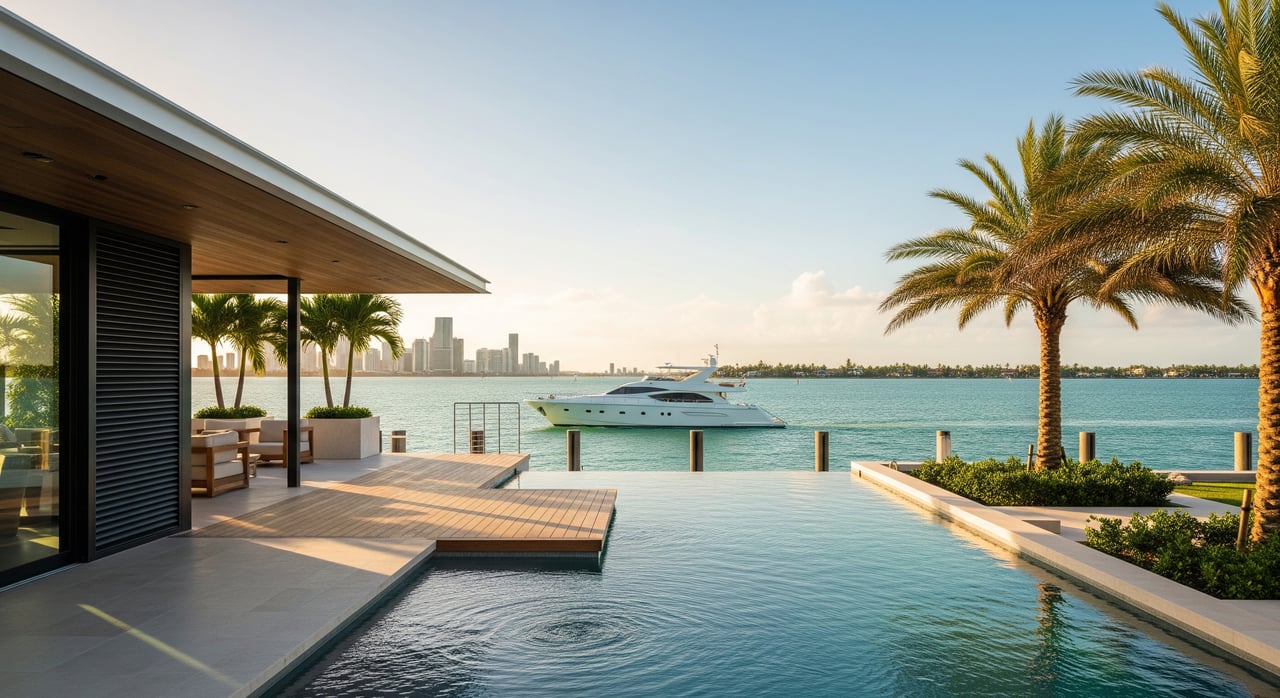
Key Biscayne is a compact barrier island just southeast of downtown Miami. You’re surrounded by Biscayne Bay to the west and the Atlantic Ocean to the east, so water is part of your day from sunrise to sunset. The vibe is calm and residential, with a small village core that makes quick errands simple.
The scale sets the tone. With limited land and a smaller population than mainland neighborhoods, you feel a close-knit rhythm. Many residents are year-round, and many others split time here as second-home owners. Winters and spring bring more visitors, while summer often feels quieter.
You’ll notice how much life happens outdoors. People walk to the beach, take out paddleboards, and meet friends at parks. The island’s parks and shoreline access shape morning routines and weekend plans.
At the southern tip of the island, Bill Baggs offers beach access, picnic areas, nature trails, and the historic lighthouse. It is an easy pick for family days, fishing, and paddleboarding. You can review current hours and fees on the Florida State Parks page for Bill Baggs Cape Florida State Park.
On the north side, Crandon Park is a regional landmark with long beaches, a nature center, playgrounds, and athletic facilities. Locals keep it on rotation for picnics, tennis, and weekend gatherings. For amenities and programs, explore the Miami-Dade County Parks information for Crandon Park.
Expect early morning walks, quick dips after work, and plenty of water sports. Kayaking, paddleboarding, and sailing are common across Biscayne Bay and the Atlantic side when conditions allow. Lifeguards are posted at designated areas in season, so you can choose the stretch that fits your comfort level.
Key Biscayne puts you close to prime boating and fishing. You have access to Biscayne Bay’s calm waters and, when the weather cooperates, the open Atlantic. Public marinas and launch points sit within the parks, and some residences and condo communities offer private docks.
Shoreline fishing, snorkeling, and regional charter options are part of the scene. If you plan to keep a boat or launch frequently, review marina availability, storage options, and any permits you may need. This is a place where boaters thrive, but demand for slips can be high, so plan ahead.
Life on the island runs through a compact commercial core. You’ll find restaurants, cafes, pharmacies, banks, and at least one full-service grocery store. Most day-to-day needs are covered, especially if you like to keep your routine simple.
When you want a broader retail selection, you’ll drive to mainland hubs like Coconut Grove, Brickell, or Miami Beach. The tradeoff for a quieter island feel is fewer big-box options on your doorstep. Many residents enjoy the balance: easy errands here, bigger shopping trips occasionally off-island.
For health care, you have local police and fire services and basic urgent care options on the island. Major hospitals and specialists are on the mainland, so plan for that if you have ongoing care needs.
The Rickenbacker Causeway is the only direct vehicle route to the mainland. In off-peak hours, getting to Brickell or downtown can be quick. During peak times, special events, or incidents, congestion can build and add delay. If you commute, test your route at the times you’d typically travel.
There is bus service that connects to the county system, but routes and frequency are more limited than on the mainland. Many residents rely on a car, rideshare, or a mix of driving and transit. Cycling on the causeway is popular for fitness and a niche commuting option for experienced riders. There is no regular large-scale passenger ferry in daily use.
Families value the local K–8 public school that serves the island, and it often acts as a community hub. For high school, most students attend Miami-Dade County public schools on the mainland. Assignments and zoning can change, so always verify current details with Miami-Dade County Public Schools.
Childcare and extracurricular options exist on the island, but supply reflects the small scale. Many families supplement with programs and schools in nearby neighborhoods like Coconut Grove and Coral Gables. Community parks, the recreation center, and the public library round out youth and adult programming.
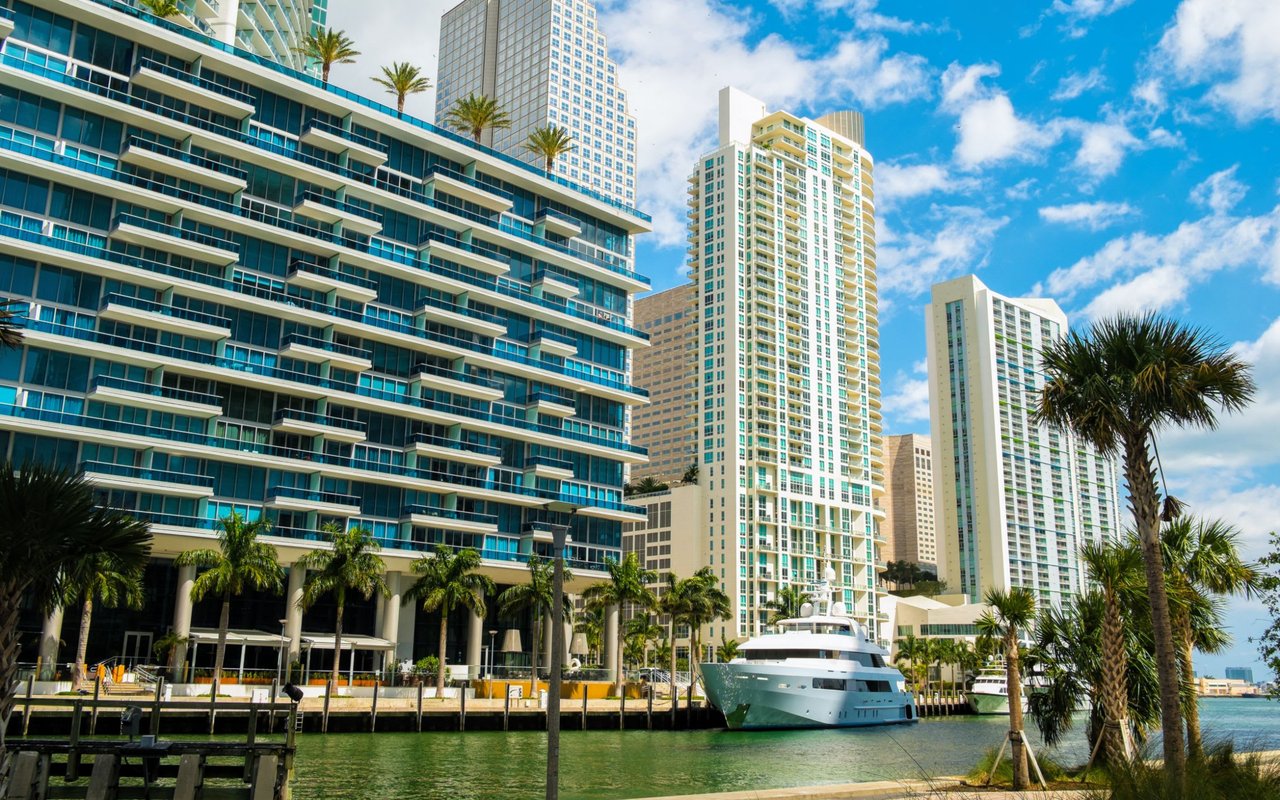
Condominiums make up much of the housing stock. You’ll find oceanfront and bayfront towers, mid-rise buildings, and garden-style communities. Many buildings offer direct beach access, security, and shared amenities that fit a lock-and-leave lifestyle.
If you plan to rent your home part-time, review HOA rules and minimum lease terms early. Policies vary by community, and they can shape both your use and your investment plan.
Detached homes exist but in smaller numbers than condos. Many are high-value properties with private yards, pools, and in some cases, docks. If you want a private slip or easy bay access from home, be ready to act when the right fit appears.
Building age ranges from mid-century to new luxury. Older buildings may have planned or ongoing capital projects, such as roof, facade, or elevator upgrades. These improvements can lead to special assessments or higher carrying costs for a period, so review building documents and budgets with care.
Limited developable land and ongoing demand help keep inventory tight. That dynamic can create competition for well-located homes and updated condos. Your prep work matters: get financing and insurance quotes in place early and clarify your must-haves.
Key Biscayne is a low-lying barrier island, so flood and hurricane risk are part of ownership. You will want to know a property’s flood zone, elevation, construction type, and mitigation features like impact-rated windows and shutters.
For a clear picture, pull a flood zone determination and review FEMA resources through the FEMA Flood Map Service Center. Flood insurance and wind coverage are typical parts of the overall cost, and premiums can vary based on location and building details.
Local governments are investing in resilience. Miami-Dade County and nearby municipalities are planning and executing projects like drainage upgrades, road elevation, and seawall improvements. You can follow county-level adaptation efforts through Miami-Dade County’s resilience pages and check island updates with the Village of Key Biscayne.
You’ll appreciate Key Biscayne if you want an active coastal routine and a calmer, village feel close to Miami. Boaters and beach lovers enjoy the quick access to water. Hybrid workers and those with flexible schedules can make the most of the causeway by traveling off-peak.
Second-home owners value the lock-and-leave convenience of condo living. Local homeowners who enjoy parks, programs, and the K–8 school often find the island checks many boxes. If you prefer big-box shopping and nightlife on your doorstep, plan on short mainland trips to fill that gap.
If Key Biscayne fits your lifestyle, the next step is seeing how each building and street feels in person. A thoughtful tour can show you sun angles, beach access points, boat traffic patterns, and the small differences that matter day to day. With the right plan, you can find a home that supports both your routine and your long-term goals.
When you are ready to map the best options, connect with a local expert who lives and works this market. Reach out to Martina Kanianska for boutique, high-touch guidance and an MLS-driven search tailored to you.


Ready to find your dream home or make a smart investment? Reach out to Martina today! Passion ignites success - Martina’s love for real estate fuels her drive. She doesn’t just sell properties; she creates lasting connections. With Martina by your side, confidence is your greatest asset. Don’t wait, contact Martina now to start your journey towards success!
601 Brickell Key Dr. Miami, FL 33131