Are you comparing Brickell condos and wondering why HOA fees and special assessments vary so much from tower to tower? You are not alone. In Miami’s coastal high‑rises, the health of an association’s reserves can make or break your ownership experience. In this guide, you will learn what a reserve study is, how Florida’s post‑Surfside focus on structural integrity affects Brickell buildings, and how to use this information to choose a condo with confidence. Let’s dive in.
What a reserve study covers
A reserve study is a planning tool that blends engineering and finance to help a condo association prepare for big repairs and replacements. It lists major common‑area components, estimates how long they will last, and projects what it will cost to fix or replace them. The study then recommends a funding plan so money is available when work is due.
The goal is simple: reduce surprise assessments, keep the building in good shape, and protect property values.
Key components inside a study
- Inventory of major elements like roofs, façade and balconies, exterior paint, windows and glazing, elevators, common‑area HVAC, pools and decks, parking structure, waterproofing, fire/life‑safety systems, paving and drainage, and plumbing risers where the association is responsible.
- Condition and remaining useful life estimates prepared by an engineer or reserve specialist.
- Cost estimates for repair or replacement, with inflation assumptions for future years.
- A funding plan using either the component method or the pooled cash‑flow method to keep reserves adequate over time.
Who prepares it and how often
Reserve studies are typically completed by reserve specialists or licensed engineers with high‑rise experience. Associations commission a full study initially, then update it periodically. Many update costs annually and perform physical inspections less frequently unless a problem appears.
Metrics you should review
- Percent funded: How the current reserve balance stacks up against the estimated accrued need. This signals whether the association has been saving at a healthy pace.
- Annual reserve contributions: The dollar amount and the share of the overall budget going into reserves.
- Upcoming projects: Timing and cost of major work scheduled in the next few years.
Why reserves matter in Brickell
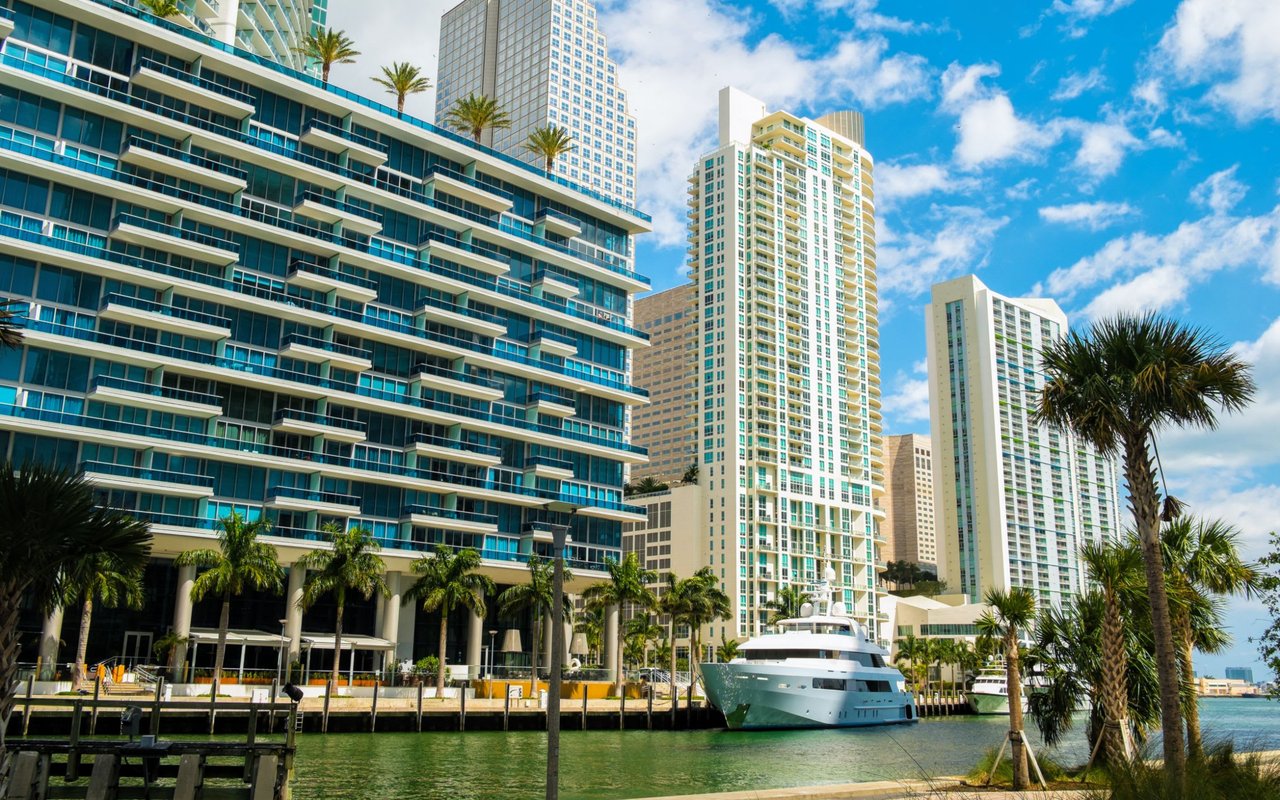
Brickell’s skyline blends older coastal towers and newer luxury high‑rises. The environment is tough on buildings. Salt air, humidity, wind‑driven rain, and strong sun accelerate wear on concrete, steel, waterproofing, and glazing. That reality shows up in reserve studies and in monthly fees.
Coastal wear and typical cost drivers
Brickell associations often budget heavily for building envelope and structural items. Big cost drivers include façade remediation and balcony repairs, parking garage structure and waterproofing, pool deck membranes, impact glazing and sliding door systems, elevator modernization, roofs and rooftop equipment, central cooling plant replacements, and fire/life‑safety upgrades. These projects can run into the millions for a single tower.
Amenities and the fee tradeoff
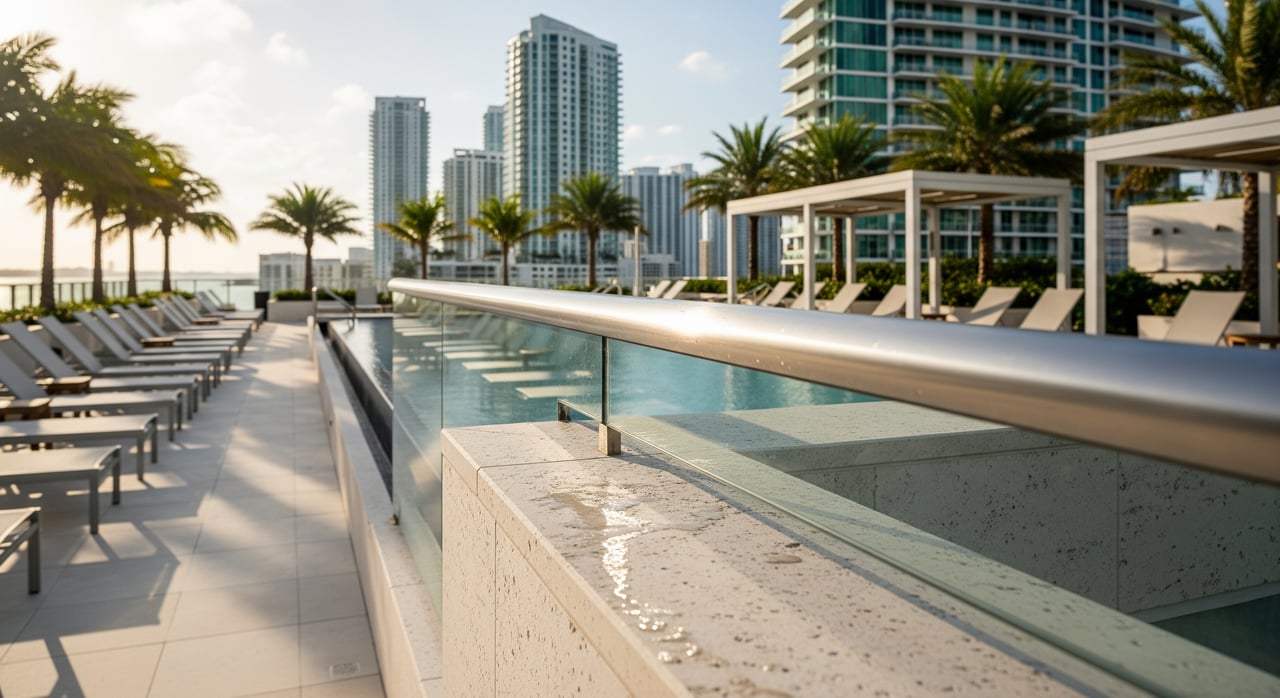
Premium amenities are part of Brickell living. Pools, fitness centers, staffed lobbies, and garage systems enhance lifestyle but also add long‑term replacement costs. A building with robust amenities will likely need stronger reserves. When comparing dues, weigh what is included against the long‑term upkeep those amenities require.
Insurance and enforcement pressures
Insurers have reassessed risk across South Florida. Many associations have experienced higher premiums or deductibles. When combined with stricter code enforcement and required retrofits, boards may raise reserve contributions or consider special assessments to maintain adequate funding.
Florida’s post‑Surfside focus and SIRS
The Surfside collapse brought new attention to structural integrity and long‑term maintenance across Florida. In practice, you will hear people use the term “SIRS” to describe the blend of structural inspection and reserve planning that many associations now pursue.
What changed in practice
- More frequent and detailed inspections for older, taller, or coastal buildings.
- A tighter link between structural findings and reserve funding plans. If an inspection finds faster deterioration, the reserve study should reflect earlier or higher costs.
- Local rules vary across Florida and Miami‑Dade. Associations must verify what applies to their building and maintain compliance records.
What to verify in Miami‑Dade
Ask the association for its most recent structural or engineer reports and any documentation showing compliance with state or county inspection requirements. Make sure findings are reflected in the reserve study and the annual budget. When in doubt, consult official sources or qualified counsel to confirm current requirements for the specific building you are evaluating.
Due diligence checklist for buyers
A strong due diligence process will help you compare towers on more than finishes and views. Use this simple checklist.
Documents to request
- Most recent reserve study and any updates
- Current reserve balance and a schedule of funded items
- Annual budgets showing reserve contributions for last year and current year
- Association minutes for the last 24 months
- Structural, façade, or SIRS engineer reports
- Records of recent or ongoing capital projects, contracts, and bids
- Details on pending or recent special assessments
- Any citations or notices from Miami‑Dade or other authorities
- Master insurance policy declarations, including deductibles
- Litigation summary involving the association
Questions to ask the association or seller
- When was the last full reserve study completed and by whom? Was a licensed engineer involved?
- What is the percent funded and how is it calculated?
- Which maintenance items are deferred, and what are the estimated timelines and costs?
- What are the major projects planned in the next 0 to 5 years, and how will they be funded?
- Has the building completed any façade, balcony, or garage structural remediation in the past 10 years?
- Has the board received directives from local authorities regarding structural issues?
- Have insurance premiums or deductibles changed materially in recent years?
- How often have special assessments occurred and how were they structured?
Red flags to watch for
- No recent reserve study or one older than 3 to 5 years
- Very low percent funded compared with similar towers
- Large assessments pending without a clear reserve plan
- Meeting minutes showing ongoing deferrals or repeated temporary fixes
- Notices from authorities about structural concerns or repair orders
- Insurance nonrenewals or unusually high deductibles
- Frequent board turnover or lack of professional management
How reserves affect fees, financing, and assessments
Reserves and monthly dues are connected. Higher reserve contributions usually mean higher monthly fees. The tradeoff is fewer surprises and a building that stays ahead of repairs. Underfunded reserves often lead to special assessments or sharp fee increases when a major project cannot wait.
Financing can also be affected. Many lenders and mortgage programs evaluate a building’s reserves and overall condition when approving condo loans. Projects with underfunded reserves or significant deferred maintenance can face tighter underwriting. Insurance pricing and deductibles follow a similar logic. Well‑maintained buildings with disciplined funding tend to have more stable coverage terms over time.
For your budget, consider total cost of ownership. A building with slightly higher dues that funds reserves responsibly may be more predictable than a lower‑fee building at risk of large assessments.
How to compare Brickell towers using reserves
Use this quick process to put numbers into context as you tour and review documents.
- Gather the latest reserve study, budget, insurance declarations, and any engineer reports for each building.
- Note the percent funded, annual reserve contribution, and the next 0 to 5 years of planned projects.
- Scan minutes for decisions about upcoming work, bids, and how the board plans to pay.
- Ask for history of assessments, insurance premium trends, and any directives from local officials.
- Compare amenities to reserve needs. More amenities often means higher long‑term costs.
- Model affordability. If reserves are low and big projects are near, factor a plausible assessment into your scenarios.
- Confirm lender expectations early if you plan to finance. Ask your loan officer about project eligibility.
This approach helps you look past marketing and focus on building health and cost predictability.
Working with a local advisor
Every Brickell tower has a different story. Some are newly modernized and well funded. Others are planning major envelope work or garage repairs. A local advisor can help you read between the lines, coordinate document requests, and compare projects against your goals.
If you would like a second set of eyes on reserve studies and association documents as you shortlist buildings, reach out. You will get clear, candid guidance grounded in Brickell’s micro‑market dynamics and your criteria. Connect with Martina Kanianska to start a focused, efficient search.
FAQs
What is a condo reserve study and why does it matter in Brickell?
- It is a technical and financial plan that inventories major building components, estimates their remaining life and costs, and sets a funding path so the association can pay for big repairs without constant special assessments.
How do Florida’s post‑Surfside changes affect Brickell buyers?
- There is greater emphasis on structural inspections and linking findings to reserve funding. You should verify recent engineer reports and compliance documentation for any building you are considering.
What does “percent funded” mean in a reserve study?
- It shows how the current reserve balance compares to the estimated accrued need for future projects. Higher percentages generally indicate healthier long‑term planning.
Which building items tend to drive large costs in Brickell towers?
- Façade and balcony repairs, parking garage structure and waterproofing, pool deck membranes, impact glazing and sliding doors, elevator modernization, roofs, central cooling plants, and life‑safety upgrades.
How do reserves influence HOA fees and special assessments?
- Higher reserve contributions raise monthly dues but reduce the risk of large surprise assessments. Underfunded reserves often lead to assessments when major work cannot be delayed.
What documents should I request before making an offer on a Brickell condo?
- Ask for the latest reserve study, budgets with reserve contributions, minutes for the last 24 months, structural or SIRS reports, insurance declarations, details on assessments, and any notices from authorities.
Can low HOA fees be a red flag?
- Possibly. Low fees can signal deferred maintenance or underfunded reserves. Review the reserve study and upcoming projects to understand the true cost trajectory.