Foreign Buyer Mortgage and Financing in Miami & Aventura
December 4, 2025
December 4, 2025
Buying in Aventura from abroad can feel complex, especially when financing a condo or waterfront home. You want clear answers on loans, down payments, timelines, and what lenders really need from you. In this guide, you will understand the options available to non‑U.S. buyers, how condo eligibility affects your loan, and how to avoid avoidable delays. Let’s dive in.
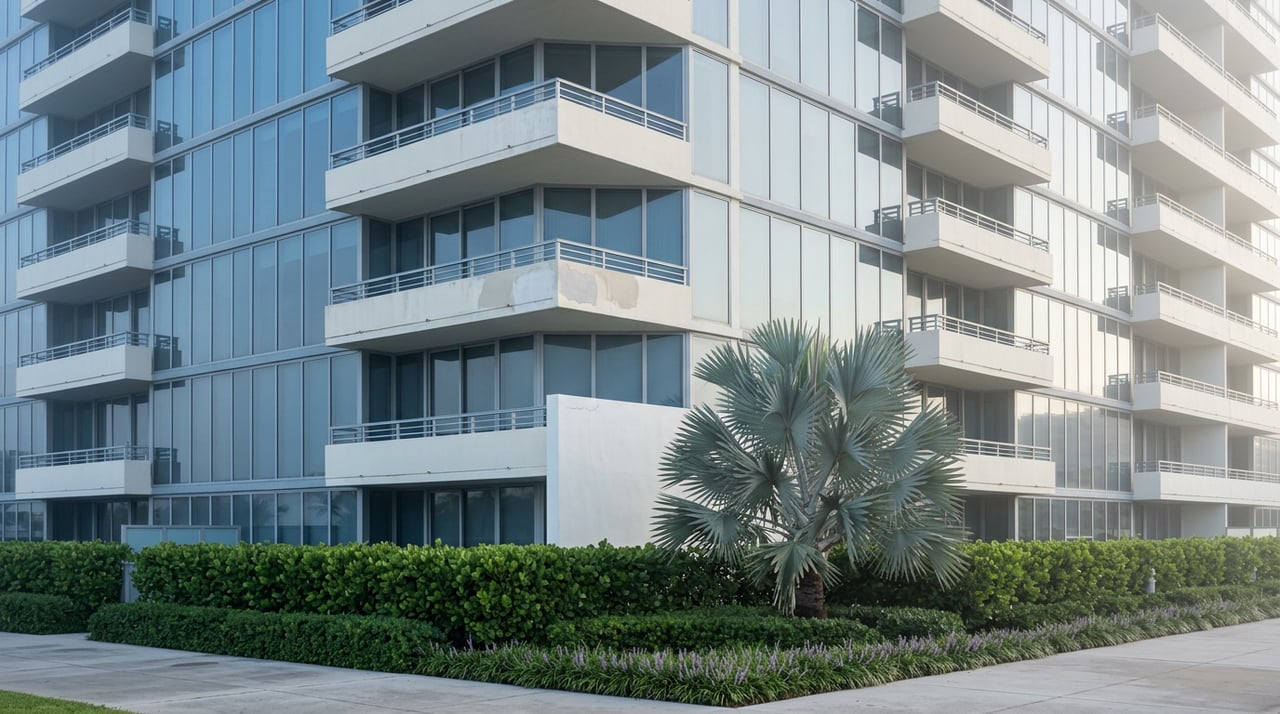
Aventura and greater Miami‑Dade attract international buyers looking for luxury condos, waterfront homes, and investment properties. Because condos make up a large share of the local inventory, lenders often focus on a project’s status and health before approving a loan. High price points frequently push purchases into jumbo or portfolio loans, which use different underwriting than standard conforming loans.
Condo rules matter. Projects with high investor concentration, significant litigation, or weak reserves can be labeled non‑warrantable, which many conventional lenders will not finance. In those cases, you may need cash or a portfolio or private loan. Plan for sizable HOA fees in some buildings, and know that short‑term rental policies can affect lender acceptance.
You have several paths to financing as a non‑U.S. buyer in Aventura. The right route depends on your residency, income documentation, assets, property type, and the condo project’s eligibility.
Common product types include:
Down payments for foreign‑national loans typically range from 30% to 50%, depending on your profile and the property. A 30% minimum is common for strong primary or second‑home scenarios, while investment properties often require 35% to 50% or more. For luxury or non‑warrantable condos, prepare for 40% to 50% down.
Interest rates for foreign‑national mortgages are usually priced at a premium compared to similar U.S. borrowers. Expect a difference of several tenths to about 1%, with additional premiums for jumbo, non‑QM, or private products. Many lenders also require 6 to 12 months of post‑closing reserves, verified with bank statements or asset documentation.
Budget for higher lender fees, condo appraisal reviews, and potential escrow deposits for taxes and insurance. You may also see costs for certified translations, notarizations or apostilles, courier and wire fees, and additional title or escrow verifications.
Gather documents early to keep your timeline on track. Lenders commonly ask for:
Foreign‑national financing generally takes longer than domestic transactions. Pre‑qualification or pre‑approval can take 1 to 2 weeks, especially if documents need translation or verification. From loan application to underwriting, expect 1 to 3 weeks to assemble a complete file, followed by 2 to 6 weeks to clear conditions.
Appraisals and condo project reviews often add 1 to 2 weeks. With international wires, notarizations, and condo approvals, a 30 to 60 day contract‑to‑close window is common. You can move faster with cash or if your documents and wire plans are in place from the start.
Condo project eligibility is a key factor in Aventura financing. Lenders check building reserves, investor concentration, litigation, delinquency rates, and insurance coverage. Projects that do not meet conventional standards are often considered non‑warrantable.
Here is how to protect your deal:
If a project is non‑warrantable, consider portfolio or private lenders that specialize in these buildings, or discuss a cash strategy. Aligning the property with the correct financing path upfront prevents late‑stage surprises.
Non‑U.S. buyers often need an ITIN to file U.S. tax returns. Processing can take weeks or months, and some lenders prefer or require an ITIN for underwriting and IRS reporting. If you will receive rental income, you may use forms such as W‑8BEN for certain withholding matters, and you will typically need to file U.S. returns for U.S.‑sourced rental income.
When selling U.S. real property in the future, FIRPTA may require withholding at closing for foreign sellers. While FIRPTA is a seller‑side rule, understanding it early helps you plan for eventual exit strategies. Consult a U.S. CPA or tax attorney with experience advising nonresident owners.
Wire fraud risk is elevated in South Florida due to the volume of international transactions. Protect yourself by confirming wire instructions by phone using verified numbers, never relying solely on email. Use the title company’s official channels and confirm any changes directly with your settlement officer.
International wires often incur fees and can be delayed by AML reviews. Notify your banks early, confirm transfer limits, and build extra time into your closing calendar. A title company experienced with international buyers can streamline verification and escrow procedures.
Use this checklist to move forward with confidence:
A local, boutique approach can save you weeks and reduce risk. You need an advisor who understands Aventura’s condo landscape, knows which buildings are financeable, and can connect you with lenders and title companies that work with international buyers. Careful coordination among your agent, lender, title team, and tax advisor minimizes delays and protects your funds.
If you are exploring Aventura or neighboring Miami‑Dade markets, partner with a professional who blends neighborhood knowledge with a high‑touch process. For a personal plan, connect with Martina Kanianska to discuss your goals and the right financing path.
Ready to find your dream home or make a smart investment? Reach out to Martina today! Passion ignites success - Martina’s love for real estate fuels her drive. She doesn’t just sell properties; she creates lasting connections. With Martina by your side, confidence is your greatest asset. Don’t wait, contact Martina now to start your journey towards success!
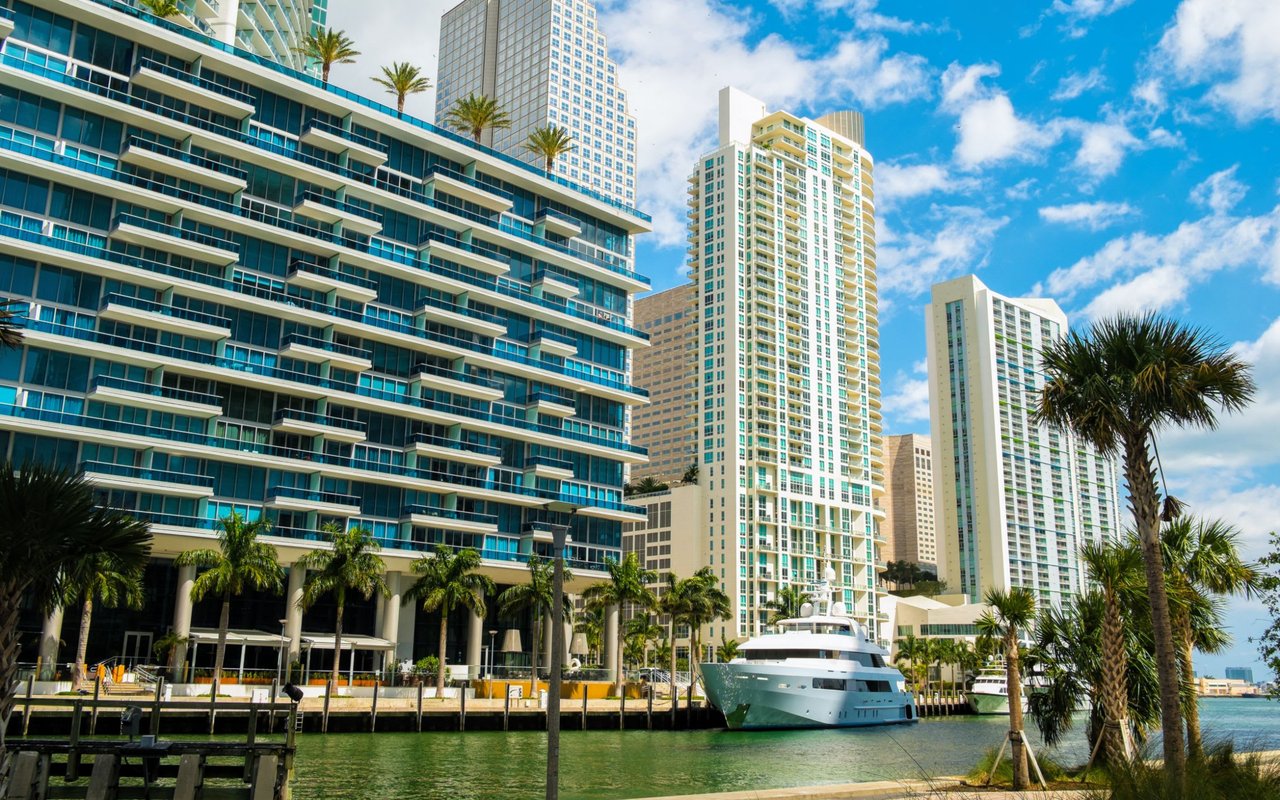
601 Brickell Key Dr. Miami, FL 33131